
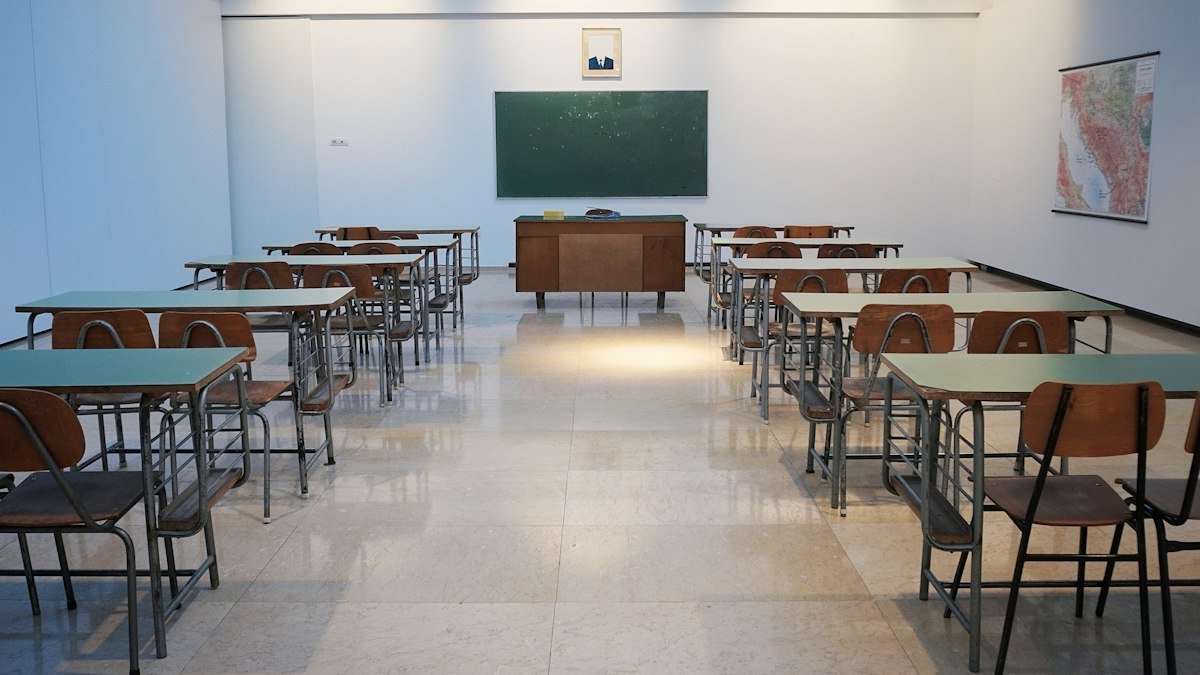
Nowhere is fire safety more important than where children and young people gather and sleep. Schools and hostels carry a special responsibility, and administrators are accountable for getting it right. This guide covers the essentials.
The particular risks
- Large numbers of people, many of them young, needing to evacuate quickly.
- Kitchens, labs and electrical systems running heavy loads.
- Dormitories occupied at night, when a fire is most dangerous.
- Older buildings with ageing wiring.
What administrators should put in place
- Extinguishers suited to each area, from classrooms to kitchens and labs.
- Smoke detectors and a clearly audible alarm system.
- Marked, lit and unblocked exits, with regular evacuation drills.
- Staff trained in basic fire response and headcounts.
- A valid Fire NOC, kept up to date.
Protecting dormitories and unattended areas
Dormitory and kitchen fires at night are the gravest risk. Automatic fire extinguisher balls in kitchens, near electrical panels and in storage areas add protection that works even while everyone is asleep, acting in 3 to 10 seconds without anyone present. The FireXross 1.5 Kg ball suits these spaces.
Drills matter as much as devices
Equipment saves property; practised drills save lives. Regular, calm evacuation drills mean students and staff move quickly and safely when it counts.
Compliance
Schools and hostels generally require a Fire NOC. See our guides on the Fire NOC process and renewal.
Frequently Asked Questions
Do schools need a Fire NOC in India?
Yes, schools and hostels generally require a Fire NOC, with specifics set by your state.
How can hostels improve fire safety at night?
Working alarms, clear exits, drills, and automatic protection in kitchens and near panels that acts while occupants sleep.
How often should schools run fire drills?
Regularly, so that students and staff can evacuate quickly and calmly without hesitation.