
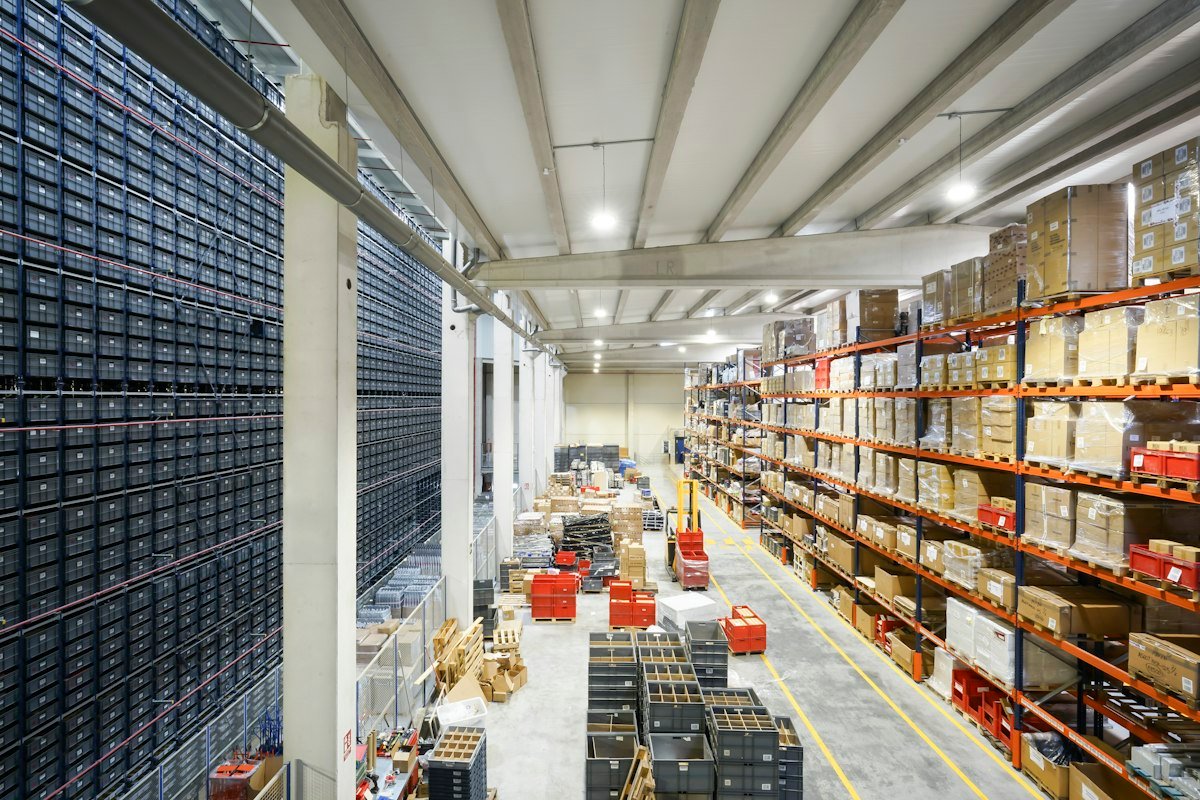
For a factory or warehouse, fire is one of the biggest threats to the business. Large stock, machinery, electrical loads and sometimes flammable materials sit together, often in buildings that run unattended overnight. This checklist helps MSMEs cover the essentials.
Common causes of industrial fires
- Electrical faults and overloaded machinery circuits.
- Overheating equipment and poor maintenance.
- Flammable materials stored unsafely.
- Fires that start at night, long after the staff have left.
The fire safety checklist
- Have wiring and machinery inspected and maintained on schedule.
- Store flammable materials correctly, away from heat and electrical sources.
- Fit the right extinguishers, hydrants or sprinklers for your size and risk.
- Keep fire exits and routes clear at all times.
- Train staff and run basic fire drills.
- Maintain a valid Fire NOC where required.
The overnight problem
Many of the most damaging industrial fires start after hours, from a short circuit or an overheated machine, with no one there to react. A closed factory in Morbi and shut shops elsewhere have burned this way. Automatic fire extinguisher balls mounted over electrical panels, machinery and high-risk stock act on their own in 3 to 10 seconds, whether the unit is running or locked for the night. The FireXross 1.5 Kg ball suits industrial placement.
Compliance
Factories and warehouses usually need a Fire NOC. Our guide to the Fire NOC process and to renewals and penalties cover what you must keep in order.
Frequently Asked Questions
What are the main fire risks in a factory or warehouse?
Electrical faults, overheating machinery, unsafe storage of flammable materials, and unattended fires at night.
How can I protect a warehouse when it is closed?
Automatic fire extinguisher balls over panels and high-risk stock put out fires on their own, without anyone present.
Do factories need a Fire NOC in India?
Yes, factories and warehouses generally require a Fire NOC, with exact rules set by your state.