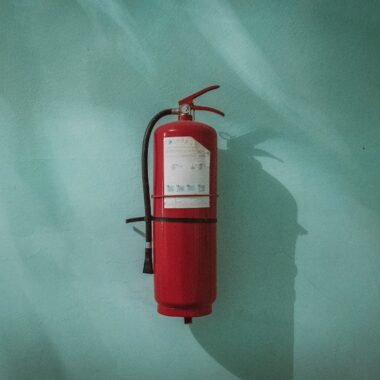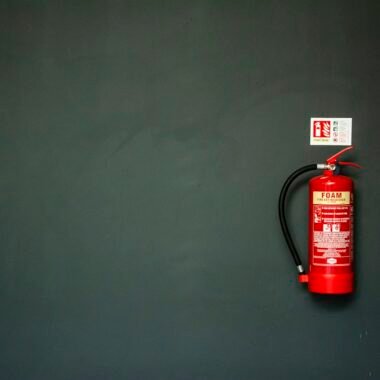
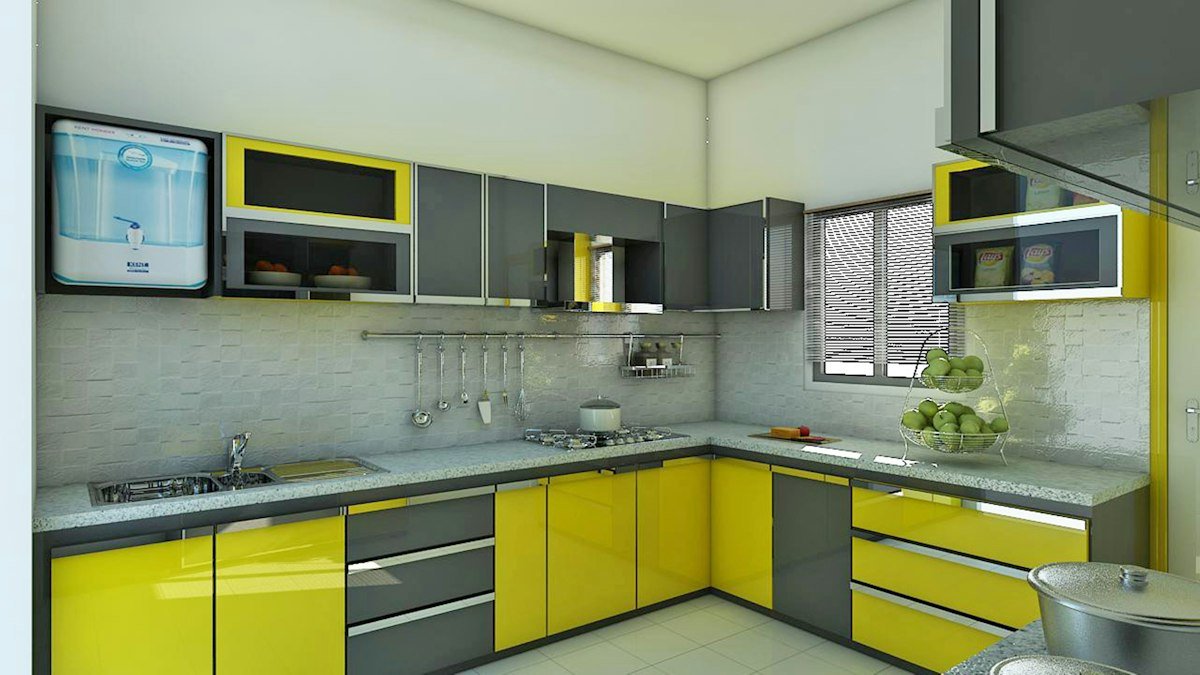
An automatic fire extinguisher ball works by sitting where a fire is likely to begin and acting the instant flame reaches it. So placement is everything. Put it in the right spots and it protects the whole home; put it in a cupboard and it protects nothing. Here is where each one should go.
The kitchen
Mount or place a ball near the stove, but not directly above the flame where normal cooking heat could reach it. This covers oil and gas fires, the most common home fire.
The electrical meter box and main switchboard
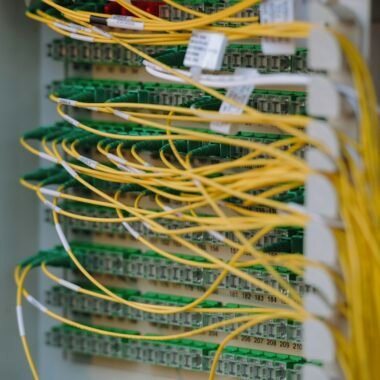
This is the single most important spot in an Indian home, because short circuits are the top cause of fire and they start here, often when no one is around. A ball mounted beside the panel is the highest-value placement you can choose.
Near the inverter and batteries
Inverters and their batteries can overheat and catch fire. A ball placed nearby covers a risk most people forget.
The garage or parking area
Vehicles, fuel and stored items make this a real risk. For the car itself, the FireXross 0.6 Kg for automobiles is purpose-made.
Shops and storerooms at home
If you run a shop from home or store stock, place a ball over high-value or high-risk material, where it will act even after you have closed up.
How many do you need?
At a minimum, cover the kitchen and the meter box. Because a FireXross ball starts at ₹999, it is affordable to protect several spots. For the full picture of home protection, see our home fire safety checklist.
Frequently Asked Questions
Where should I place a fire extinguisher ball at home?
The two most valuable spots are near the stove and beside the electrical meter box, followed by the inverter area and garage.
Can I mount a fire ball on the wall?
Yes. Balls can be placed on a stand or mounted near a high-risk point so they activate the moment flame reaches them.
How many fire balls does a home need?
Start with the kitchen and meter box. Add more for the inverter, garage or storage areas as your budget allows.