Burns are among the most common home injuries, especially in the kitchen, and what you do in the first ten minutes makes a real difference to how serious they become. The right first aid is simple. The dangerous part is the folk remedies that make things worse.
The basic steps for a minor burn
- Cool it. Hold the burn under cool, running water for at least 15 to 20 minutes. This is the single most effective thing you can do.
- Remove tight items. Take off rings, watches or tight clothing near the burn before it swells, unless they are stuck to the skin.
- Cover it. Once cooled, cover loosely with a clean, non-fluffy cloth or cling film.
- Relieve pain. A simple pain reliever helps if needed.
What not to do
- Do not apply toothpaste, butter, oil, haldi or ice. These trap heat or cause damage and infection.
- Do not burst blisters.
- Do not peel away clothing stuck to the burn.
When to get medical help
- Burns larger than a palm, or on the face, hands, feet or genitals.
- Deep burns, or burns that look white, charred or leathery.
- Any electrical or chemical burn.
- Burns to a child or elderly person.
For serious burns, cool the area and get to a hospital or call for help straight away.
Prevention is still the best medicine
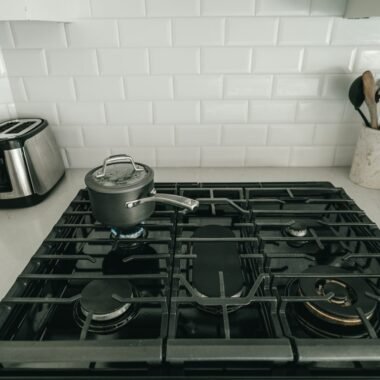
Most home burns come from cooking and hot liquids. Good kitchen habits and the ability to stop a fire fast reduce the risk. See our guides on putting out a kitchen fire and the home fire safety checklist.
Frequently Asked Questions
What is the first thing to do for a burn?
Cool it under cool running water for 15 to 20 minutes. Do not apply any home remedies.
Should you put toothpaste or butter on a burn?
No. These trap heat and raise the risk of infection. Use cool running water instead.
When should a burn be seen by a doctor?
If it is large, deep, on the face or hands, electrical or chemical, or on a child or elderly person.