Most of us assume our home is reasonably safe from fire, right up until something proves otherwise. This quick self-assessment takes about five minutes and shows you exactly where the gaps are. Count how many you can honestly tick.
Electrical
- No socket or board is overloaded with multiple high-power appliances.
- No burning smells, warm switches or frequently tripping breakers.
- Wiring has been checked in the last few years, and fittings are ISI-marked.
Kitchen
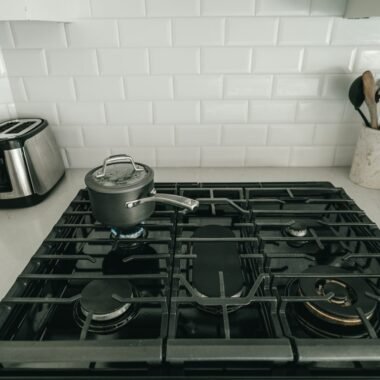
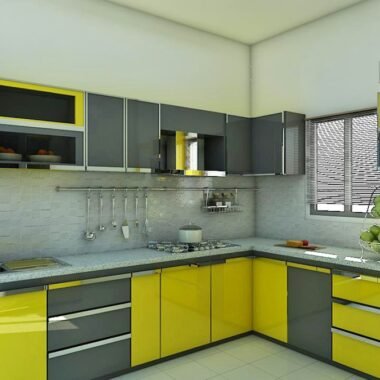
- The gas pipe is in date and the regulator is closed when not cooking.
- The stove is never left unattended while lit.
- There is a fire blanket or a way to smother an oil fire.
General
- Candles, diyas and chargers are used safely.
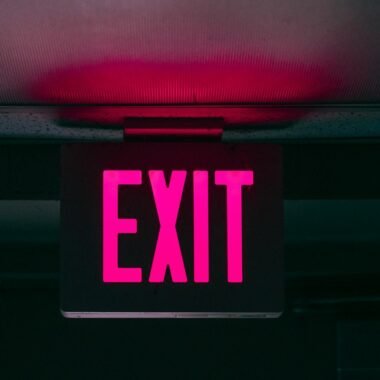
- Exits are clear and the main door is easy to open.
- The inverter and batteries are ventilated and clutter-free.
Preparedness
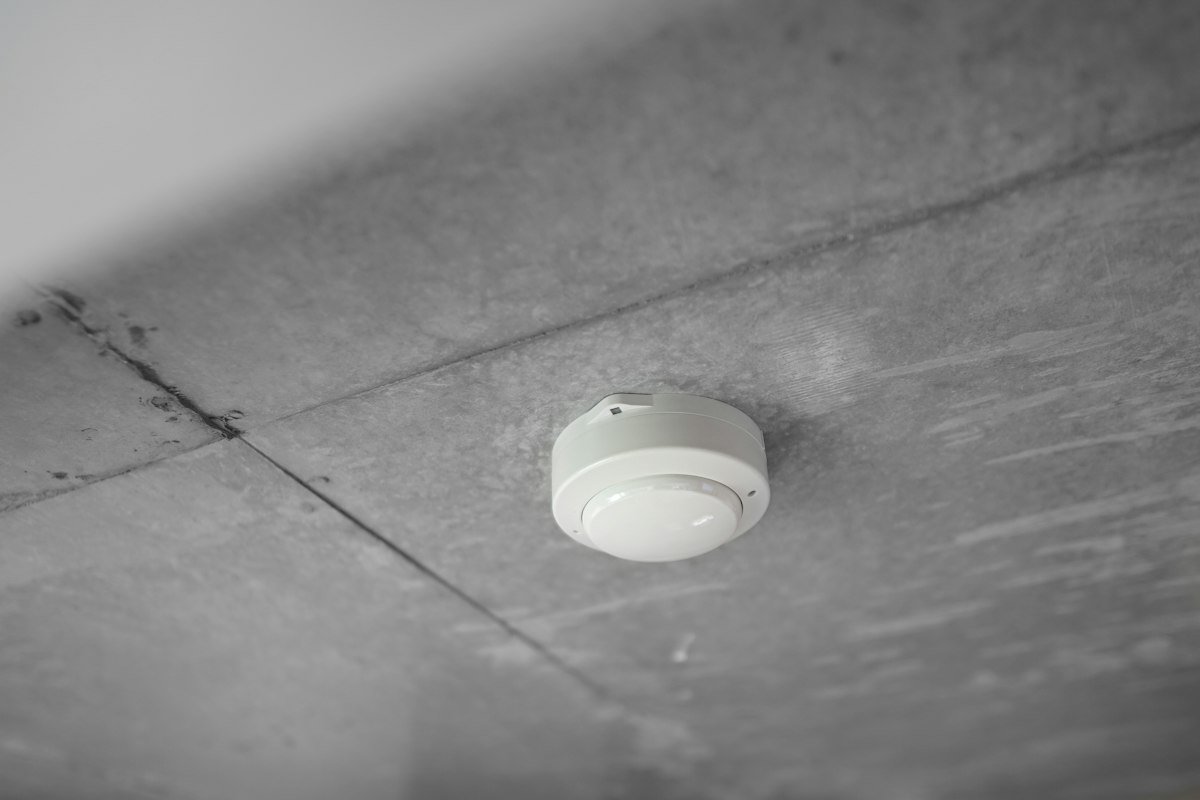
- There is a working smoke alarm.
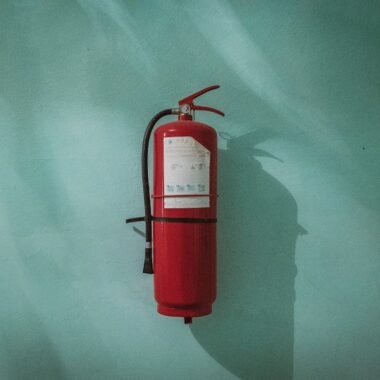
- There is an accessible, in-date extinguisher.
- There is automatic protection at the kitchen and meter box.
- The family knows two ways out and a meeting point.
How did you score?
If you ticked everything, your home is genuinely fire-ready. More realistically, most homes miss three or four, usually around preparedness and the meter box. The quickest wins are a smoke alarm, an escape plan, and an automatic fire extinguisher ball at the two highest-risk spots. A FireXross ball from ₹999 closes the biggest gap, and our home fire safety checklist walks through the rest.
Frequently Asked Questions
How do I assess fire risk in my home?
Check electrical load and wiring, kitchen and gas habits, open flames, clear exits, and whether you have alarms, extinguishers and an escape plan.
What is the most commonly missed home fire precaution?
Protection at the meter box, where many fires start unattended, and a practised escape plan.
What is the cheapest way to make my home safer from fire?
A smoke alarm, an escape plan, and an automatic fire ball at the kitchen and meter box together cost very little.