Fire kills around 16 people in India every single day, and most of those fires begin at home. The hard part to accept is that almost all of them were preventable. Protecting your family does not take a big budget or special training. It takes a few habits and the right basics in place. This checklist runs through the risks that matter most in Indian homes, room by room, and what to do about each one.
Why home fire safety matters in India
Homes are the single most common place fires happen in India. Faulty wiring and short circuits cause most of them, roughly 65% of all fire incidents nationally. Add a gas stove, an inverter, a geyser and appliances that run for hours in the heat, and a typical home is carrying several fire risks at the same time. Knowing where those risks sit is the first step to removing them.
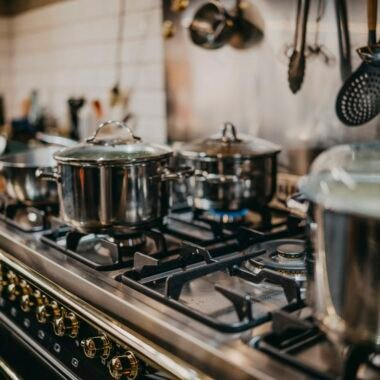
The kitchen: where most home fires start
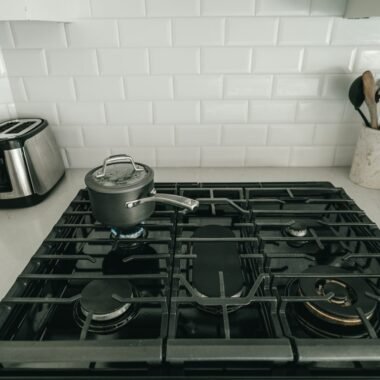
Cooking and gas
- Stay in the kitchen while the stove is lit. A lot of cooking fires start the moment someone steps away.
- Close the LPG regulator when you finish cooking, and again before bed.
- Check the gas pipe for cracks every few months, and replace it before the date on it.
- Keep cloth, paper, plastic and curtains well clear of the burner.
If oil catches fire
Water and oil fires do not mix. Throwing water on a burning pan makes the flames flare up violently. Switch off the gas if you can reach it safely, then cover the pan with a lid or a fire blanket to cut off the air. Our guide on how to put out a kitchen fire walks through this step by step.
Electrical safety and wiring
- Avoid plugging several high-power appliances into one socket or extension board.
- Stick to ISI-marked wiring, switches and appliances.
- Get your AC, geyser and other heavy appliances serviced on schedule.
- Treat a burning smell, a warm switchboard or a fuse that keeps tripping as a warning, and get it checked quickly.
- Switch off and unplug appliances you are not using.
A short circuit can start a fire while the house is empty, which is what makes electrical faults so dangerous. Our post on why short circuits cause most Indian house fires explains the reasons.
Living rooms, bedrooms and the rest of the house
- Place diyas, candles and agarbattis on steady, non-flammable surfaces, away from curtains and decorations.
- Do not charge phones or laptops on a bed or under a pillow overnight.
- Keep inverters and batteries in a ventilated spot with nothing piled around them.
- Leave a clear, unlocked route to your main door at all times.
Your 60-second fire plan
When a fire breaks out, you are working in seconds, not minutes. Sort these things out now, long before you ever need them.
- Find two ways out of every room.
- Pick a meeting point outside the house.
- Teach everyone to stay low under smoke, and to feel a door before opening it.
- Save the fire number: 101 for the fire brigade, or 112 for all emergencies.
- Agree on one rule. Once you are out, nobody goes back in.
The fire safety kit every home should have
Good home protection comes in three layers, and none of them is expensive.
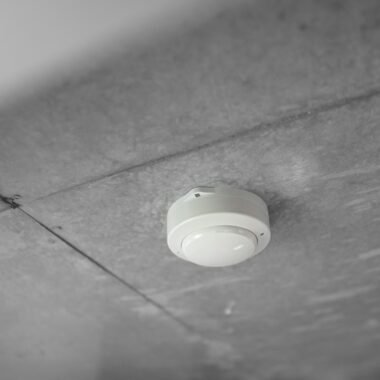
- A smoke alarm to give you an early warning.
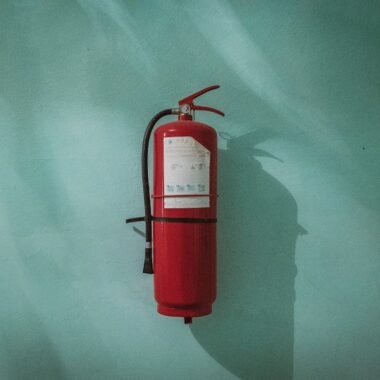
- An ABC fire extinguisher kept somewhere you can actually reach in a hurry.
- An automatic fire extinguisher ball for the places a fire is most likely to begin, such as the meter box, the kitchen or the garage. It puts the fire out by itself in 3 to 10 seconds, even when no one is home.
FireXross makes certified automatic extinguishing balls built for this. The FireXross 0.5 Kg ball suits most homes, while the 1.5 Kg ball covers larger spaces. Prices start at ₹999.
Your quick home fire safety checklist
- Stove watched, regulator closed when not cooking.
- No overloaded sockets, only ISI-marked fittings.
- Gas pipe and wiring checked, no warning signs ignored.
- Candles and chargers used sensibly.
- Two exits and a meeting point agreed with the family.
- Smoke alarm, extinguisher and a fire ball in place.
Frequently Asked Questions
What is the most common cause of house fires in India?
Electrical short circuits are the leading cause, behind roughly 65% of fires nationally. Cooking and LPG incidents come next.
What number do I call for a fire in India?
Call 101 for the fire brigade, or 112 for the unified emergency helpline.
What fire safety equipment should every home have?
At a minimum, a smoke alarm, an ABC fire extinguisher, and an automatic fire extinguisher ball for unattended high-risk spots like the meter box or kitchen.
Can you use water on a kitchen oil fire?
No. Water makes an oil fire worse. Cut the heat if it is safe to do so, then smother the flames with a lid or a fire blanket.