Inverters are a fixture in Indian homes, quietly handling power cuts. But an inverter and its battery carry real fire risk if they are installed in the wrong place or left unmaintained, and it is a risk many families never think about. Here is what you need to know.
Why inverters and batteries catch fire
- Poor ventilation causing heat to build up.
- Overcharging or a faulty battery releasing flammable gases.
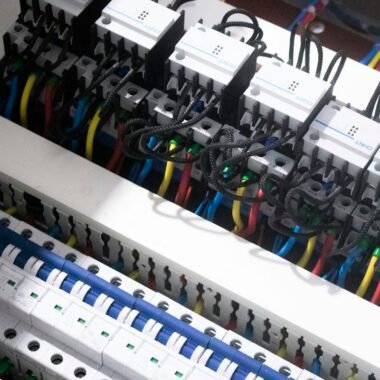
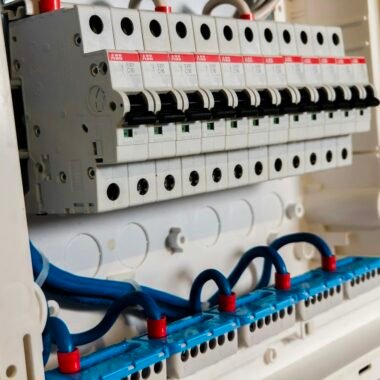
- Loose or undersized wiring overheating.
- Placement in a cramped or cluttered corner.
Safety steps for inverters
- Install the inverter and battery in a cool, well-ventilated spot, never in a closed cupboard.
- Keep the area around it clear of clutter and flammable materials.
- Use the correct battery and keep water levels right where applicable.
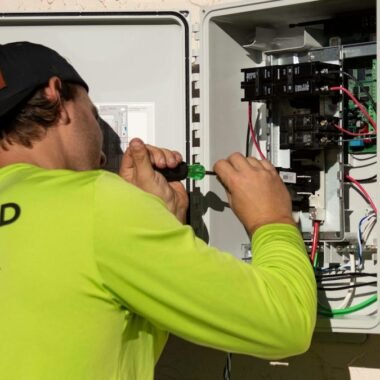
- Have the wiring sized and fitted by a qualified electrician.
- Get the system checked periodically, and replace an ageing or swollen battery.
Watch for warning signs
A hot inverter, a strong acidic smell, bulging batteries or scorch marks all mean something is wrong. Treat them like any other electrical warning sign and act quickly.
Add a safety net
Because an inverter fire can start unattended and release gases, an automatic fire extinguisher ball placed near the installation is sensible protection, acting on its own in 3 to 10 seconds if a fire breaks out. See the FireXross 1.5 Kg ball.
Frequently Asked Questions
Can a home inverter catch fire?
Yes, if it is poorly ventilated, badly wired, overcharged or fitted with a faulty battery.
Where should I keep my inverter and battery?
In a cool, well-ventilated area, away from clutter and flammable materials, never inside a closed cupboard.
What are the warning signs of an inverter problem?
Excess heat, an acidic smell, swollen batteries, or scorch marks on wiring.